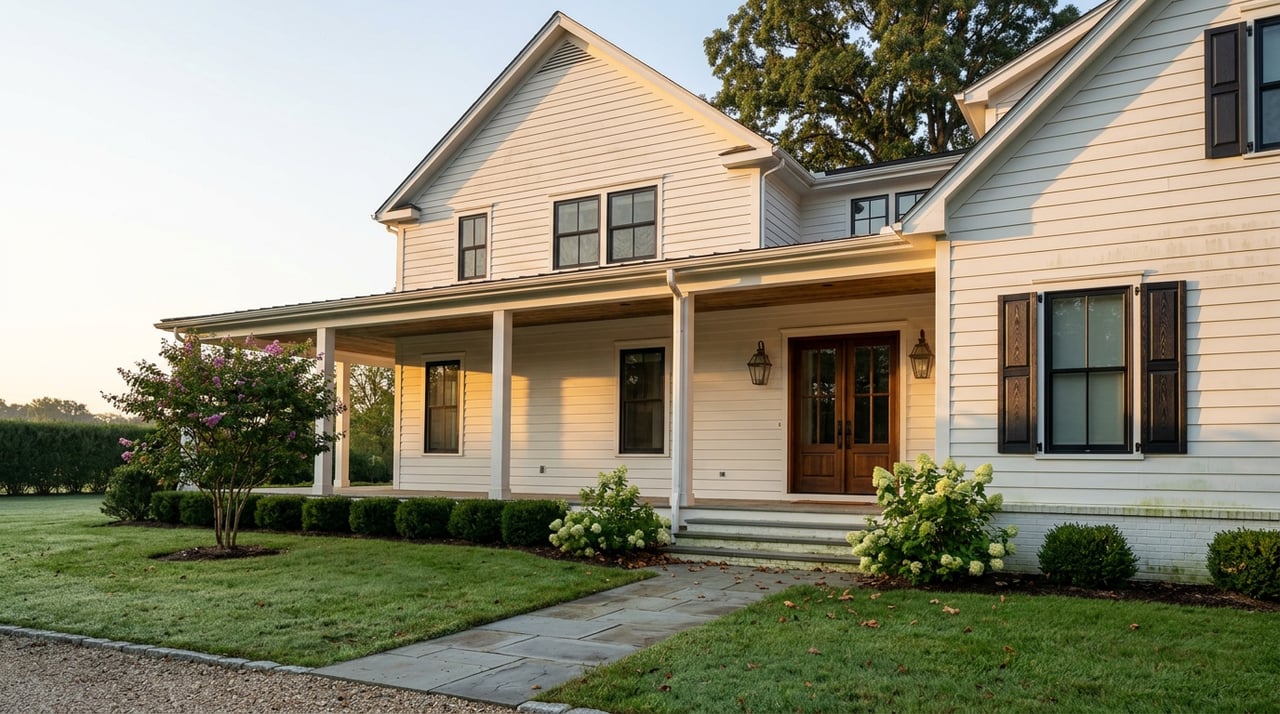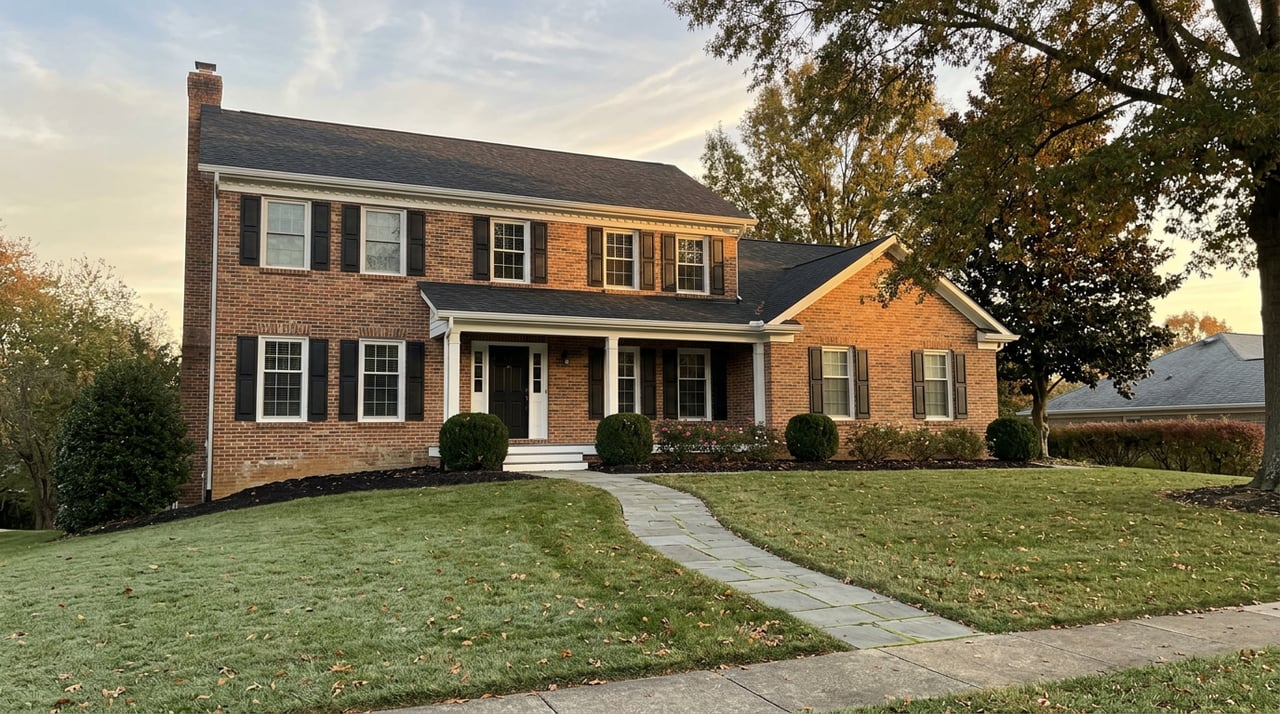

Fell in love with a front porch on Lewisburg Avenue or a storybook bungalow near Downtown Franklin? Buying a historic home in Franklin can be incredibly rewarding, but it comes with extra steps and smart planning. You want the charm, not the surprises. In this guide, you’ll learn how Franklin’s historic districts work, what to look for during inspections, how approvals and financing fit together, and where to find resources that protect your investment. Let’s dive in.
Why Franklin’s historic homes stand out
Franklin’s historic neighborhoods offer a range of styles and materials that define their character. You’ll see Federal and Greek Revival-era homes, Victorian and Queen Anne details, early 20th-century Craftsman bungalows, Colonial Revival and Tudor-influenced homes along Lewisburg Avenue, and larger estates along Franklin Road. These homes often feature original wood windows, brick or wood siding, masonry chimneys, and inviting porches.
Original elements are part of the value story. Franklin’s local historic district design guidelines emphasize repair over replacement whenever feasible because it preserves character and often supports long-term value.
What styles mean for upkeep
- Federal, Greek Revival, and Italianate: Expect masonry and cornice details that benefit from careful mortar and woodwork repairs.
- Queen Anne and Victorian: Complex roofs and decorative trim need consistent maintenance and proper flashing.
- Craftsman and Bungalow: Look for porch sill integrity, rafter tails, and wood window sash that may need repair and weatherization.
- Colonial Revival and Tudor-influenced: Brick patterns and original windows are common focal points during maintenance and review.
How local rules affect your plans
Many homes near the downtown core sit within Franklin’s Historic Preservation Overlay. If the property is in the overlay, exterior work will require review. Start by confirming district status using the city’s Historic Preservation Overlay overview, then line up your plan.
Franklin’s Historic Zoning Commission (HZC) issues Certificates of Appropriateness for most exterior changes. Treat this as an early, mandatory step. The city encourages applicants to consult with preservation staff or attend the Design Review Committee before filing. That early input often prevents delays.
What typically triggers a COA
Plan to seek a Certificate of Appropriateness for:
- Additions and new construction
- Visible roofing changes or chimney work
- Window and door changes visible from the street
- Siding, masonry repairs, and porch work
- Fences, driveways, and visible mechanical equipment or solar arrays
- Partial demolition or relocation of structures
Some minor rear-yard items can qualify for administrative approval, but do not assume. If it is visible from the public right-of-way, plan on review.
Design standards you can expect
Local review follows Franklin’s guidelines, which align with the Secretary of the Interior’s Standards. If you plan to pursue federal certification for an income-producing project, the National Park Service applies those standards. In practice, the city’s guidelines will be your primary reference, and consistency with them helps keep your project moving.
Condition realities to expect
Before you write an offer, prepare for the most common issues that affect cost and timing.
Foundations and movement
Middle Tennessee’s clay soils can cause seasonal movement, leading to settlement, stair-step cracks, sticking doors, or uneven floors. Pay close attention to grading, downspout extensions, and drainage patterns. If you see signs of movement, bring in a structural or geotechnical expert.
Roofs, chimneys, and porches
These elements protect the house. Look for aging shingles, flashing failures, soft porch sills, and chimney mortar deterioration. Get estimates early because visible changes to roofs and porches often require COA review.
Windows and energy performance
Historic wood windows are repairable and, with storms and weatherstripping, can perform well. The National Park Service’s technical guidance favors repair and weatherization over wholesale replacement when feasible. For an overview of energy upgrades that respect historic character, review the NPS guidance on sustainability and historic buildings. If deterioration is beyond repair, plan on historically compatible replacements and expect a COA.
Electrical, plumbing, and HVAC
Older systems are common. You may find outdated panels, two-prong outlets, cloth wiring, galvanized supply lines, or cast-iron drains. These can affect insurance, lending, and safety. Budget for licensed evaluations and upgrades.
Lead paint and asbestos
Homes built before 1978 may contain lead-based paint. Federal rules require sellers to provide disclosures and allow buyers time for evaluation. Review the EPA’s lead disclosure resources. Asbestos-containing materials can be present in older insulation, tile, siding, or pipe wrap. If you plan to disturb suspect materials, budget for testing and certified abatement. The EPA’s guidance on indoor air quality and building materials is a helpful reference.
Moisture and crawl spaces
Water management is the most cost-effective preservation strategy. Confirm positive grading, clear gutters, and well-routed downspouts. Crawlspace ventilation or encapsulation should be evaluated to prevent rot and mold.
Pests
Termites and other wood-destroying organisms are common in the region. Make a termite inspection part of your standard due diligence and plan for ongoing protection.
Smart budgeting and trade-offs
You buy a historic home for its character, and that character often lives in original materials. In many cases, repairing windows, porches, and masonry is preferred to replacement. It can also be a better long-term value decision.
Historic homes hide surprises. Build a contingency of 10 to 20 percent above written estimates, and more if structural or hazardous-materials work is likely. Plan your schedule and budget with the COA process in mind because design feedback can affect both.
Renovation and financing paths
If you are buying a fixer, a combined purchase-and-renovation loan can bring clarity to scope, budget, and timeline at closing.
- FHA 203(k): The FHA-insured program lets you finance purchase and rehab in one mortgage. For an overview of Limited and Standard options, consultant roles, and escrow draws, see HUD’s page on the FHA 203(k) Rehabilitation Mortgage.
- Conventional renovation loans: Fannie Mae HomeStyle and Freddie Mac CHOICERenovation can fund a wide range of improvements. Appraisal, escrow, and draw practices vary by lender. The OCC provides a useful overview of conventional renovation lending.
Insurance and lending can drive repair priorities. Older electrical systems, unsafe panels, or severely deteriorated roofs may need attention to secure homeowner’s insurance or mortgage approval. Get insurance quotes early and share your upgrade plan with your lender.
Incentives and certifications to know
If you plan to rehabilitate a property used for income-producing purposes, the federal Historic Rehabilitation Tax Credit can be meaningful. The 20 percent federal credit applies to qualified rehabilitation expenses for certified historic structures used for commercial, rental, agricultural, or similar uses. Primary residences are generally not eligible for the federal credit.
At the state level, Tennessee has offered targeted grant funding rather than a broad statewide tax credit. Check the Tennessee Economic and Community Development page for the current Historic Development Grant Program. Program details can change, so verify eligibility and timing with the Tennessee Historical Commission and a qualified tax advisor before you assume incentives in your budget.
Your due diligence checklist
Use this sequence to reduce risk and keep your purchase on track.
Pre-offer research
- Confirm whether the property is inside the city’s Historic Preservation Overlay. If planned work is visible from the street, a COA is likely.
- Ask the seller or listing agent for prior COAs, permits, contractor invoices, and any preservation easements or deed restrictions. A lack of documentation is a red flag.
- Have your agent run a basic deed and easement check through county records to spot restrictions early.
Inspections and specialist reports
- General home inspection by a pro familiar with older construction.
- Structural engineer review if you see settlement cracks, uneven floors, or signs of prior structural changes.
- Termite and wood-destroying insect inspection.
- Lead-based paint disclosure review and, where appropriate, a risk assessment. See the EPA’s lead disclosure guidance.
- Asbestos survey if renovation will disturb likely materials. Follow the EPA’s indoor air quality and materials guidance and use certified abatement for removal.
- Licensed electrical, plumbing, and HVAC evaluations with estimates focused on lender and insurer requirements.
Permits, COA, and timeline
- Meet with preservation staff early to discuss scope and design direction. Submit a COA application for visible exterior work and plan schedule contingencies for HZC review.
Budgeting and contracting
- Get multiple bids from contractors experienced with historic fabric. Verify licensing and references.
- Build a 10 to 20 percent contingency into your renovation budget and account for possible COA-driven design refinements.
How a knowledgeable agent helps you win
A seasoned Franklin agent can save you time, stress, and money during a historic purchase.
- Screen properties for overlay status, prior COAs, and potential compliance issues before you fall in love.
- Line up a historic-savvy inspector, structural engineer, preservation carpenter, and trades to get real numbers quickly.
- Set expectations for timing, HZC reviews, and material choices that align with Franklin’s guidelines.
- Connect you with lenders experienced in renovation products and help organize documents for appraisals and draws.
Ready to explore historic homes with a clear plan? Reach out for a confidential, no-pressure consultation with Bruce Jones. We’ll help you balance character, compliance, and cost so you can buy with confidence in Franklin.
FAQs
What is a Certificate of Appropriateness in Franklin and when do I need one?
- You need a COA for most exterior changes visible from the street in the Historic Preservation Overlay, including additions, window or roof changes, porch work, and site features like fences.
How do Franklin’s design guidelines affect my renovation choices?
- The city’s guidelines favor compatible design and repair of original materials, and they align with the Secretary of the Interior’s Standards, so plan details and materials that maintain historic character.
Are original wood windows in Franklin homes worth keeping?
- Often yes, because wood sash can be repaired and weatherized; the NPS recommends repair and storm upgrades when feasible, and replacements typically require HZC review.
Can I use the federal 20 percent historic tax credit on my Franklin primary residence?
- Generally no, because the federal credit applies to certified historic structures used for income-producing purposes, not owner-occupied primary homes.
What inspections are most important for a pre-1940 Franklin house?
- Prioritize a general inspection by an older-home specialist, a structural review if there are movement signs, a termite inspection, and targeted evaluations of electrical, plumbing, HVAC, and any potential lead or asbestos concerns.
How can I finance purchase plus renovation for a Franklin historic home?
- Consider FHA 203(k) or conventional renovation loans like HomeStyle or CHOICERenovation, and work with a lender who understands appraisals, escrows, and draws for preservation-sensitive projects.