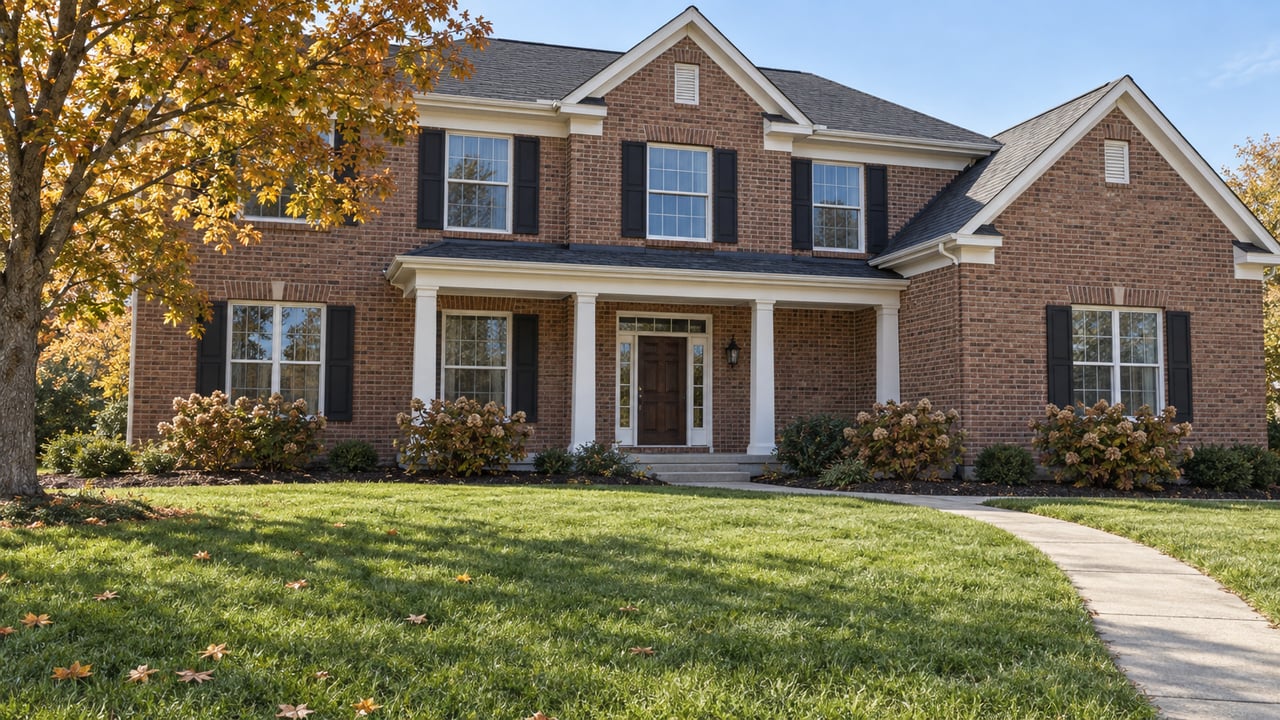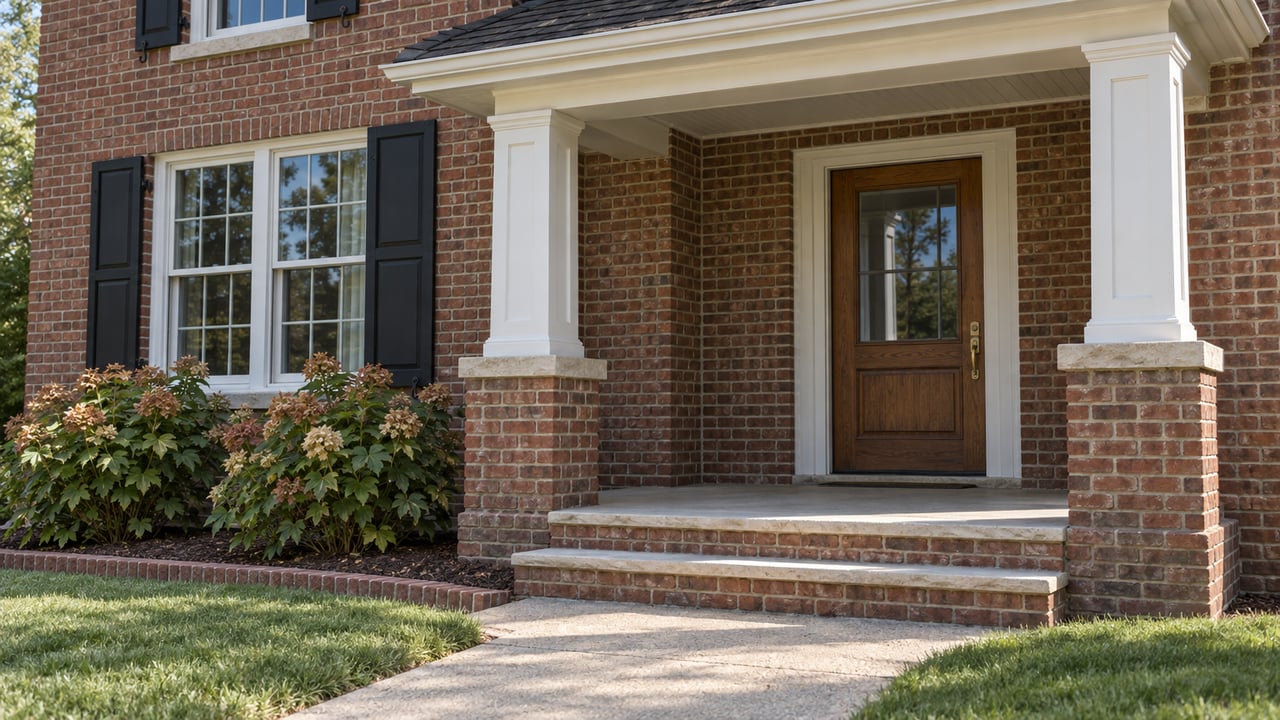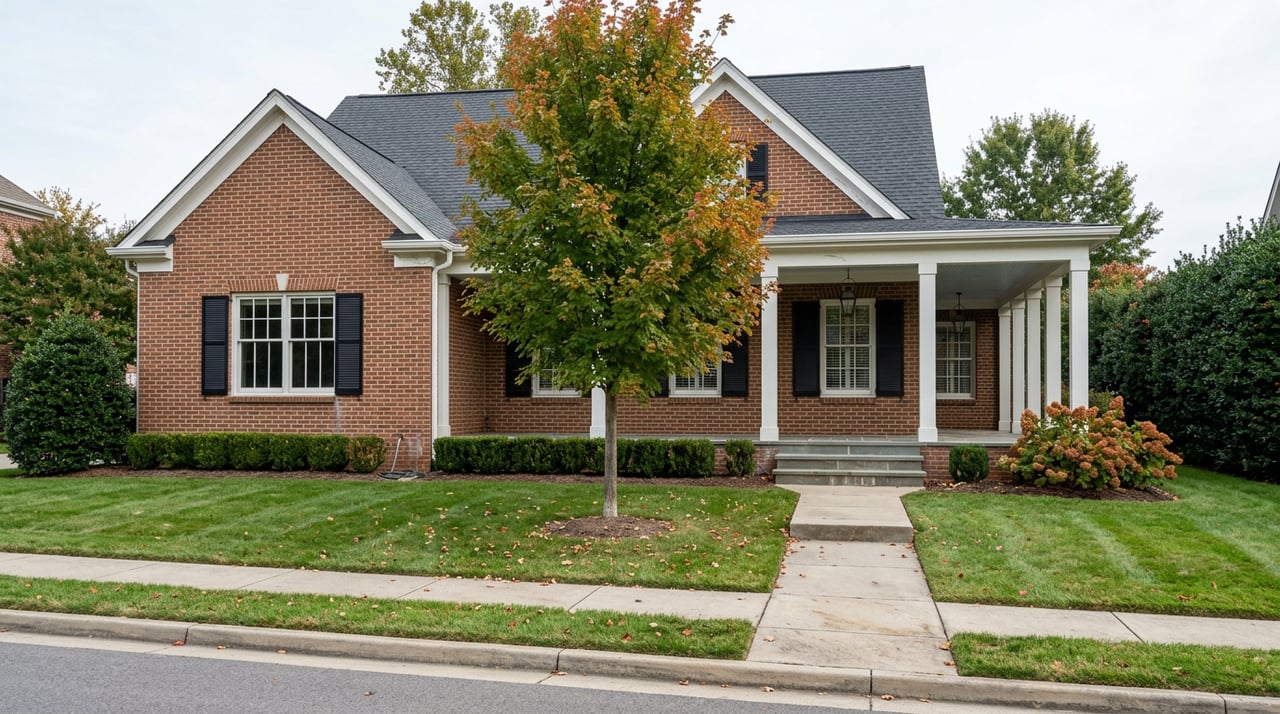
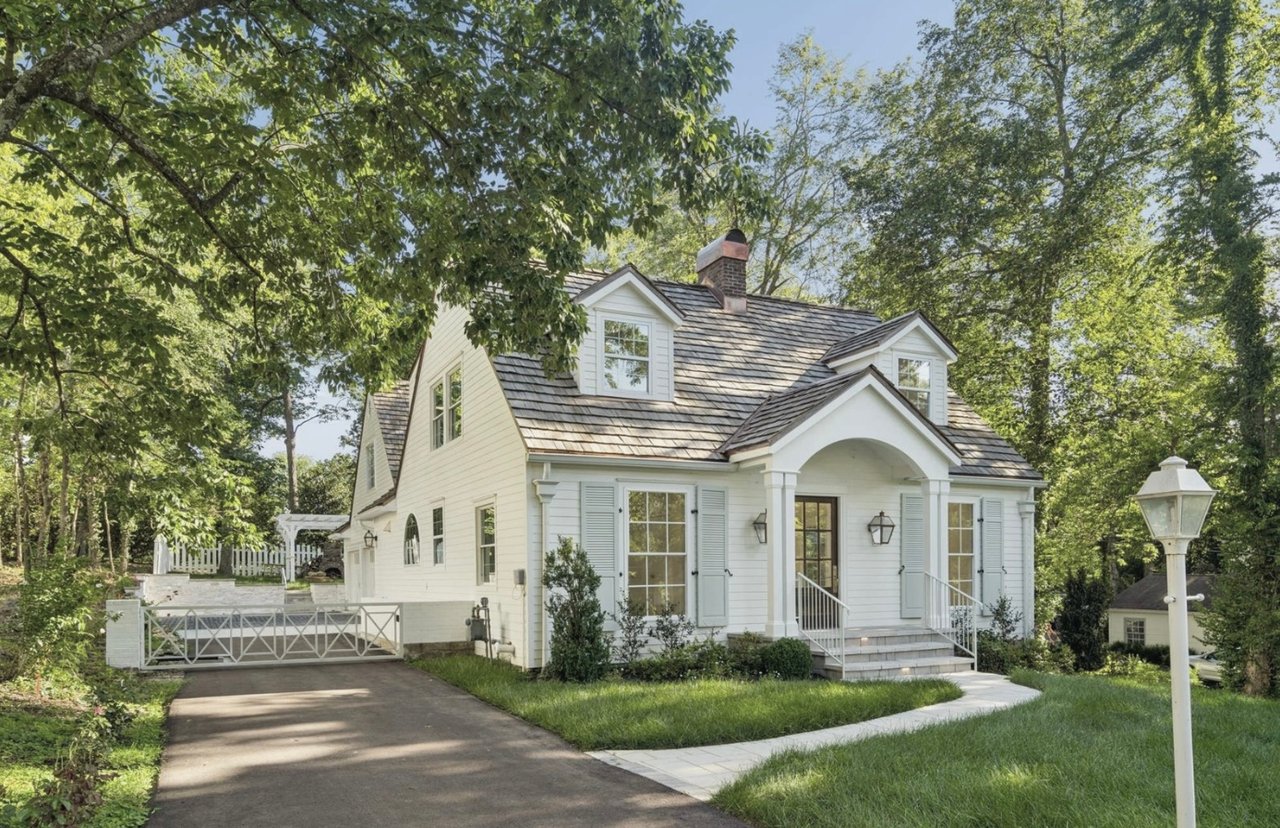
A house inside a Nashville overlay district does not come with a single, predictable set of renovation rules. It comes with one of two very different systems, and which one applies depends on the exact parcel, not the neighborhood's reputation for old houses. Two bungalows a few blocks apart in Lockeland Springs-East End and Historic Edgefield can sit under completely different levels of scrutiny for the same kind of work: new windows, a rear addition, a repainted porch. Buyers who assume "historic neighborhood" means one predictable rulebook are working from the wrong map before they even make an offer.
The distinction matters because it changes what a house will let you do to it after closing, and how long that permission takes to secure.
Same Commission, Two Different Rulebooks
Nashville has run some form of overlay zoning since 1977, when the Metro Historic Zoning Commission was established, and 1978, when Edgefield became the city's first historic district. For nearly a decade, historic zoning in Nashville meant one thing: strict design review over exterior work, administered by the commission that still exists today. That changed in 1985, when the city created a second, less restrictive category called neighborhood conservation zoning, giving areas that wanted some protection without full historic-district review a lighter-touch option.
Both categories are still active, both are reviewed by the same nine-member Metro Historic Zoning Commission, and both require what's called a Certificate of Appropriateness before certain permits are issued. But the two categories are not interchangeable, and the gap between them is the thing most buyers never check.
Historic Preservation overlays apply the strictest review. Yahoo News lists districts carrying this designation as Edgefield, Germantown, Blakemore, Woodland-in-Waverly, Marathon Village, Tanglewood, Second Avenue, Broadway, and Downtown. Exterior changes here, including architectural detailing, are reviewed against district-specific design guidelines developed jointly by the commission and neighborhood residents.
Neighborhood Conservation overlays are lighter. According to Preserve Nashville, these overlays regulate new construction, demolitions, and major additions, but explicitly exempt minor alterations like siding or fence replacement. Districts under this category include Lockeland Springs-East End, Eastwood, Waverly-Belmont, Belmont-Hillsboro, Hillsboro-West End, Cherokee Park, Kenner Manor, Inglewood Place, Whitland, and Park and Elkins in Sylvan Park, among others.
That second list is longer than the first for a reason: conservation zoning was designed as the more attainable option, and it has been the growth category ever since.
What Actually Triggers a Certificate of Appropriateness
The rule that matters most for a buyer planning exterior work is to confirm whether a Certificate of Appropriateness is required before a building permit. Depending on the overlay type, district, and work, review can cover windows, additions, new construction, demolition, and exterior color or materials.
According to the Lockeland Springs-East End neighborhood guidelines, for conservation zoning purposes, alleys are not treated as public rights-of-way. That single distinction can change what's practical to build on a given lot.
The Map Is Still Being Redrawn This Year
The overlay footprint is not fixed. It is a resident-driven, petition-based process, and Nashville added to it again within the last several months.
In Green Hills, a subdivision pursued what would have been the area's first neighborhood conservation overlay, built around Green Hills Drive, Bonner Avenue, Eden Avenue, the Observatory Drives, Observatory Court, and Burton Avenue. The petition moved through seven neighborhood meetings, a Metro Historic Zoning Commission hearing on December 17, 2025, a Planning Commission hearing on January 8, 2026, and a Metro Council hearing scheduled for March 2, 2026, the step that would have finalized the designation.
Separately, Main Street Media reported that a new 38-acre conservation overlay covering properties north of Shackleford Road, west of Belmont Boulevard, east of Oriole Place, and south of Glen Echo Road passed its final council reading on April 7, 2026, and took effect April 17, 2026.
The practical takeaway: a property that has no overlay today is not guaranteed to stay that way through the length of a typical home search, and a property with no overlay history is not automatically free of future restriction. The map buyers rely on when they start looking is not necessarily the map that applies by the time they close.
The overlay on a Nashville property is not a neighborhood-wide guarantee. It is a parcel-specific designation, and the city is still adding to the list.
What This Means If You're Renovating After Closing
For street-facing exterior work that requires commission review, the permit path runs through the commission as well as the standard building department. The Metro Historic Zoning Commission meets monthly, on the third Wednesday at 2:00 p.m., and while, according to the Metro's 2022 permit handbook, some administrative permits for smaller, clearly compliant projects can be approved within a day or two of a complete application, projects that need full commission review are tied to that monthly calendar. A renovation timeline built around a contractor's normal schedule, without accounting for that meeting cadence, is a timeline that's already wrong.
One more detail worth knowing before you plan a renovation budget: if the property will be held in an LLC or a trust, Nashville's Metro Codes guidance caps that option at work under $25,000. Above that threshold, a licensed contractor has to pull the permit. That's a separate rule from the overlay system, but it compounds with it for buyers structuring a purchase through an entity and planning larger exterior work in a district that already requires commission review.
Due Diligence Before You Write the Offer
- Confirm the specific overlay type on the parcel, not just the neighborhood's general reputation, using the city's Parcel Viewer tool before you get attached to a renovation plan.
- Ask whether the planned work faces a public street or an alley. The distinction changes which guidelines apply under conservation zoning.
- Check whether the property sits in an area with an active overlay petition in progress. A "no overlay" search result today can change within months if a neighborhood vote is underway.
- Budget renovation timelines around the commission's monthly meeting schedule, not just contractor availability, for any project that needs full review rather than an administrative permit.
- If the purchase will be held in an LLC or trust, confirm whether planned work falls above or below the $25,000 self-permit threshold before assuming who can pull the permit.
Frequently Asked Questions
Does a historic overlay restrict what I can do inside the house? No. Both overlay types in Nashville review certain exterior work visible from public rights-of-way.
Can I get a firm answer before closing on whether a specific renovation would be approved? The design guidelines for each district give directional guidance.
Do overlay boundaries ever shrink instead of expand? The process is resident-petition driven in both directions, but every documented case in the current research, from Edgefield's designation in 1978 through the Belmont Boulevard-area overlay that took effect in April 2026, has been an expansion of coverage, not a reduction.
Buying inside one of Nashville's overlay districts isn't a reason to walk away from a house you love. It's a reason to know exactly which set of rules that specific address carries before you plan a single exterior change. If you're evaluating a property in Lockeland Springs-East End, Edgefield, Green Hills, or anywhere else the map keeps shifting, Exceptional Living Group can walk the overlay status, the permit timeline, and the renovation math with you before you write the offer. Request a Confidential Consultation to get that read on your specific address.
This article is general information, not legal, tax or financial advice. Consult a qualified professional about your situation.