Shopping in Belle Meade, Green Hills, or Forest Hills and wondering if your loan will be “jumbo”? You are not alone. Many Nashville buyers find that higher price points can push loan amounts past standard limits, which changes how lenders evaluate your file. In this guide, you will learn what makes a loan jumbo in Davidson County, how underwriting differs from conforming loans, and the smartest steps to secure a strong approval and close with confidence. Let’s dive in.
Jumbo basics in Nashville
A jumbo mortgage is any first-lien home loan that exceeds the conforming loan limit set each year by the Federal Housing Finance Agency (FHFA). Loans at or below the county limit are eligible for Fannie Mae or Freddie Mac; amounts above that limit are considered non-conforming, also called jumbo.
Because limits are set by county, you need the current Davidson County number for the year you plan to buy. The FHFA publishes updated limits annually, so be sure to confirm the latest threshold before you make financing plans. Many mid-market homes in Nashville fall under the conforming limit, but luxury neighborhoods and trophy properties often require jumbos.
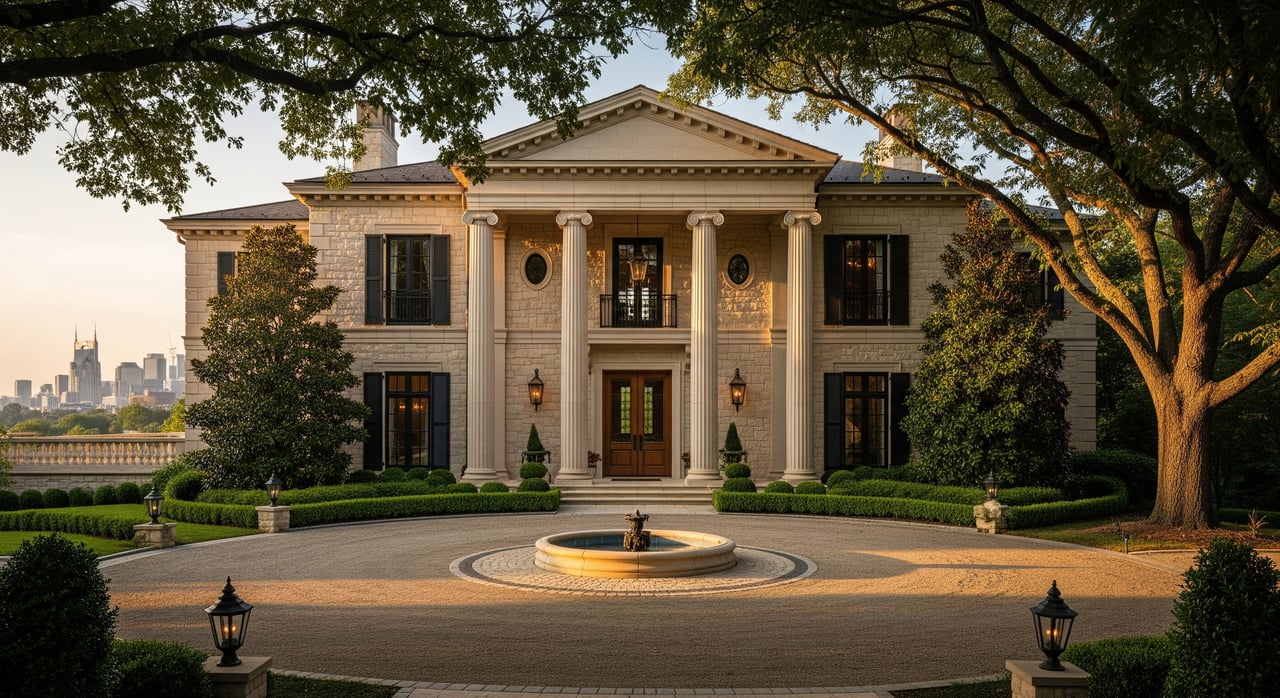
You will see jumbos more often in areas with higher price points, including Belle Meade, Forest Hills, Green Hills, parts of East Nashville, and locations north of the river. If you are targeting larger single-family homes or estate-scale lots, prepare for jumbo-level underwriting.
When your loan is jumbo
Your loan amount, not your purchase price, determines whether your financing is jumbo. Use this quick check:
- Start with the purchase price.
- Subtract your planned down payment. The result is your loan amount.
- Compare that loan amount to the current FHFA conforming limit for Davidson County.
- If your loan amount is above the limit, you are in jumbo territory.
Because limits change each year, avoid relying on last year’s threshold or a friend’s recent purchase. Always verify the current county limit before you submit offers.
Underwriting differences to expect
Jumbo underwriting is more detailed than standard conforming loans. Expect tighter credit, income, and asset standards, and a closer look at the property.
Credit and scores
Most jumbo programs prefer higher credit scores than many conforming options. Minimums often start around the 700s and can go higher depending on lender and loan-to-value. Lenders also look closely at the depth of your credit history and any recent negative marks.
DTI and income docs
Acceptable debt-to-income ratios for jumbos are usually stricter. Many lenders like to see DTI at or below the mid-40s, unless you have strong compensating factors such as significant assets or a very low LTV. Income documentation is reviewed in detail, including W-2s, pay stubs, and tax returns. If you are self-employed or have business and investment income, plan for additional documentation.
Down payment and reserves
Typical maximum LTVs for jumbos are lower, so larger down payments are common. Many buyers put 20 to 30 percent down at higher loan sizes. Lenders also want to see more cash reserves after closing, often six to twelve months of principal, interest, taxes, and insurance in liquid or documented assets. Very large loans or complex income situations can require more.
Property and appraisal
Lenders scrutinize property type and condition closely for jumbo loans. Unique properties or homes needing substantial renovation can face tighter review or additional valuation work. Investment properties and second homes usually have higher down payment needs and more conservative income tests.
Rates and pricing
Jumbo loans are priced differently than conforming loans. Sometimes they carry a higher rate, and sometimes the spread narrows, depending on market conditions, your credit profile, LTV, and the specific lender’s appetite. Do not assume a fixed difference. Get contemporaneous quotes from multiple lenders.
Mortgage insurance
Private mortgage insurance is typically not available on jumbos the same way it is on conforming loans. That means you usually need a larger down payment rather than relying on PMI to push LTV higher. Some niche products exist, but they can be more expensive or come with different qualification standards.
Financing paths in Nashville
You have several ways to structure a high-end purchase in Davidson County. The right path depends on your credit, income profile, liquidity, and timeline.
Conforming vs. jumbo vs. portfolio
- Conforming loans: Standardized underwriting, broad availability, and, for qualified borrowers, generally attractive pricing. Best when your loan amount fits under the county limit.
- Jumbo loans: For amounts above the FHFA limit. Expect stricter underwriting, higher reserves, and lender-by-lender variability.
- Portfolio loans: Local banks or credit unions may keep loans on their books and offer more flexibility. These can help when you need an exception or a unique structure, though pricing and terms vary.
Non-QM and specialty loans
Non-Qualified Mortgage options can help when traditional income documentation does not tell your whole story. Examples include bank-statement loans, asset-depletion programs, and specialized physician or executive products. These often allow for higher LTVs or flexibility for buyers with equity compensation or recent job transitions. Be aware that these programs can have higher rates and larger reserve requirements.
ARMs and interest-only
Adjustable-rate mortgages and interest-only jumbos can lower your initial payment and may fit if you plan to refinance or sell within a known time horizon. Underwriting still tests your ability to repay, and you assume rate risk after the fixed period.
Bridge and construction options
If you need to buy before you sell, a bridge loan can help you access equity from your current home. Construction financing is relevant for new builds or extensive renovations. These loans have different terms and documentation needs, and they often require proof of liquidity or a signed sales contract on your departing residence.
Cash, gifts, and sourcing
Large down payments can come from savings, the sale of another property, retirement or investment accounts, or allowable gift funds. Lenders require clear paper trails and may ask for seasoning on large transfers. Discuss timing with your lender early so funds are ready and documented before you make an offer.
Approval strategy and timing
Speed and certainty matter at higher price points. The right approval strategy can strengthen your offer and reduce closing friction.
Prequal vs. preapproval vs. full underwrite
- Pre-qualification: An estimate based on information you provide. Helpful for early planning, but carries limited weight with sellers.
- Pre-approval: A conditional approval after the lender reviews your credit, income, and assets. This is the minimum you should have before touring serious options.
- Fully underwritten approval: Your file is reviewed by an underwriter before you make an offer. This gives sellers confidence, shortens timelines, and reduces the risk of surprises.
When to seek full underwriting
- Your expected loan amount will exceed the current FHFA limit for Davidson County.
- You are competing for a luxury listing or have limited contingency windows.
- Your income is complex, such as self-employment, bonuses, equity compensation, or multiple K‑1s.
Jumbo document checklist
Gather early so you can move fast:
- Two years of personal and business tax returns with all schedules
- Recent pay stubs and two years of W‑2s
- Two to three months of bank and investment statements (more may be requested for larger assets)
- Statements for retirement or brokerage accounts used for reserves
- Letters of explanation for large deposits, credit inquiries, or employment gaps
- Purchase contract, homeowner’s insurance binder, HOA documents if applicable, and property details
Rate locks to confirm
Jumbo pricing can shift with markets and loan size tiers. Ask each lender for a written lock policy that covers lock length, extension costs, and any float-down features. Confirm potential pricing breaks at key LTV thresholds.
Choosing lenders in Nashville
Shop two to three lenders with strong jumbo experience. A mix of a national bank, a local or regional portfolio lender, and a mortgage broker can give you a wider view of programs and pricing. If you have nontraditional income, target lenders who handle non-QM or tailored jumbo programs regularly.
Your next steps
- Confirm the current FHFA conforming loan limit for Davidson County before you set your budget.
- Map your price range, down payment, and target loan amount to see if you will need a jumbo.
- Gather documents now so an underwriter can review your file early.
- Obtain multiple written pre-approvals and, for competitive scenarios, a fully underwritten commitment.
- If you plan to sell to fund your down payment, discuss timing, bridge options, and contingency strategies upfront.
When you are buying at the higher end, you want clarity, speed, and a calm process. Our team coordinates with seasoned jumbo lenders, helps you position a clean offer, and keeps your timeline on track from contract to close. If you are exploring a luxury purchase in Davidson County, request a confidential consultation with Bruce Jones to plan your path.
FAQs
How do I know if I need a jumbo loan in Nashville?
- Compare your purchase price minus your down payment to the current FHFA conforming limit for Davidson County. If the loan amount is above that limit, it is a jumbo.
What credit score and reserves do jumbo loans require?
- Many jumbo programs prefer scores starting around the 700s and want six to twelve months of reserves, though exact requirements vary by lender, LTV, and loan size.
Are jumbo interest rates always higher?
- Often they can be higher than conforming rates, but the difference changes with markets and your profile. Get quotes from multiple lenders to see current pricing.
Should I get fully underwritten before making an offer?
- Yes, if you are targeting high-priced homes, expect competition, or have complex income. A fully underwritten approval strengthens your offer and can shorten closing.
What if I am self-employed or have equity compensation?
- Work with lenders experienced in non-QM or tailored jumbo programs, such as bank-statement or asset-depletion options, and allow more time for documentation and review.