What if you could pick a home that fits your everyday rhythm as well as your wish list? In Franklin, you can choose between the charm of a walkable, historic downtown and the convenience of modern suburban communities. If you are planning a move, you want clear facts about neighborhoods, lifestyle, commute patterns, schools, and the tradeoffs that matter. This guide walks you through life in Franklin so you can decide where you will thrive. Let’s dive in.
Franklin at a glance
Franklin sits in Williamson County, just south of Nashville. The city blends a preserved 19th-century downtown with fast-growing suburban districts and the regional business hub of Cool Springs. Many residents work in local corporate offices, healthcare, or education, while others commute to Nashville. Ongoing growth reflects strong demand, a well-regarded public school system, and a high quality of life.
Downtown Franklin living
Architecture and housing
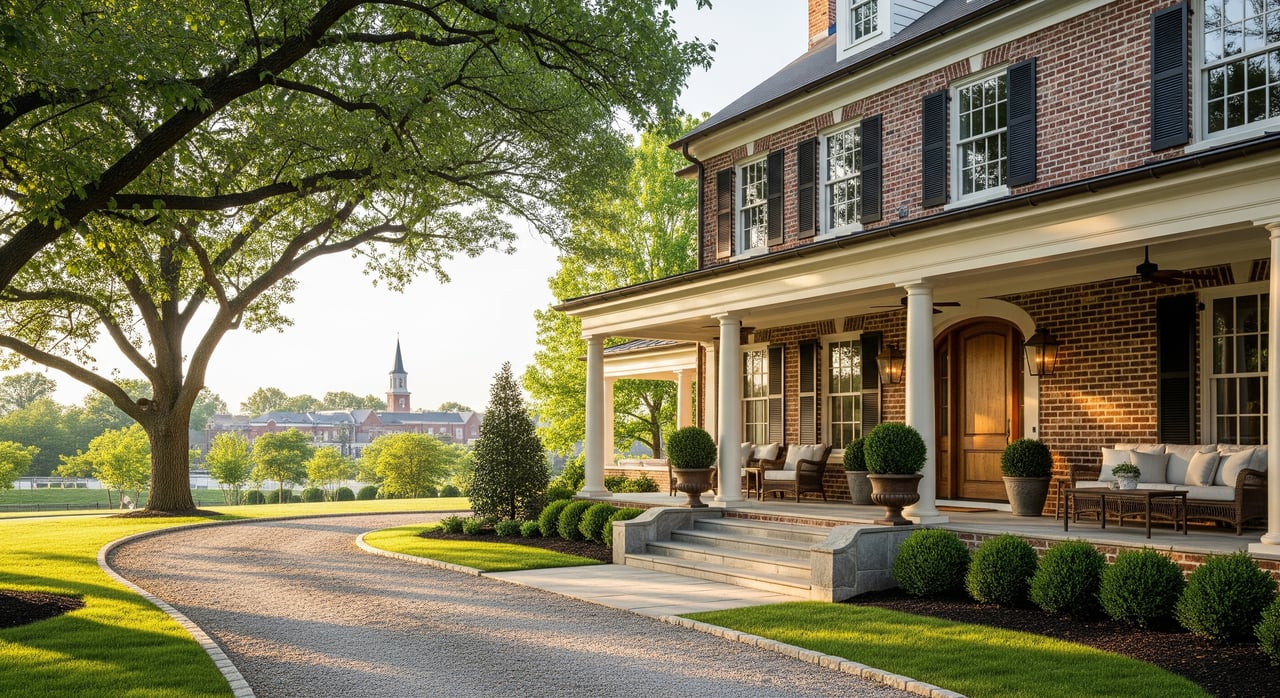
Downtown is known for its brick storefronts, tree-lined sidewalks, and historic neighborhoods on the surrounding blocks. You will find Victorian cottages, antebellum homes, and smaller lots near the core. Some apartments and townhomes sit above or near Main Street shops. If you value character and walkability, this is where those qualities shine.
Daily rhythm and dining
Downtown supports an active, independent dining scene with cafés, Southern-inspired menus, and casual bistros. Specialty coffee and small-batch breweries add to the mix. Weekend foot traffic is common, especially in warmer months when outdoor seating is popular. Many errands are walkable, though parking can be tight near peak times.
Parks and culture nearby
Cultural life is anchored by The Franklin Theatre and The Factory at Franklin, both known for concerts, arts, and community events. Historic sites such as the Carter House and Carnton offer tours and programs that connect you to the city’s past. Pinkerton Park and the Harpeth River sit just across the bridge for playground time, walking, and paddling access.
Who it fits
Downtown works best if you prize a walkable lifestyle, easy access to dining and culture, and the charm of older homes. Yards are smaller and on-street parking is common. Renovations often involve historic review, so expect more planning if you want to update a façade or expand.
Suburban Franklin and planned communities
Cool Springs convenience
Cool Springs is the region’s commercial corridor, packed with office parks, regional retail, hotels, and restaurants. It is designed around the car, which makes errands simple if you prefer larger shopping options and broad service hours. Housing nearby includes newer apartments, townhomes, and single-family subdivisions. If your work is in the corridor, your commute can be short and predictable.
Master-planned communities
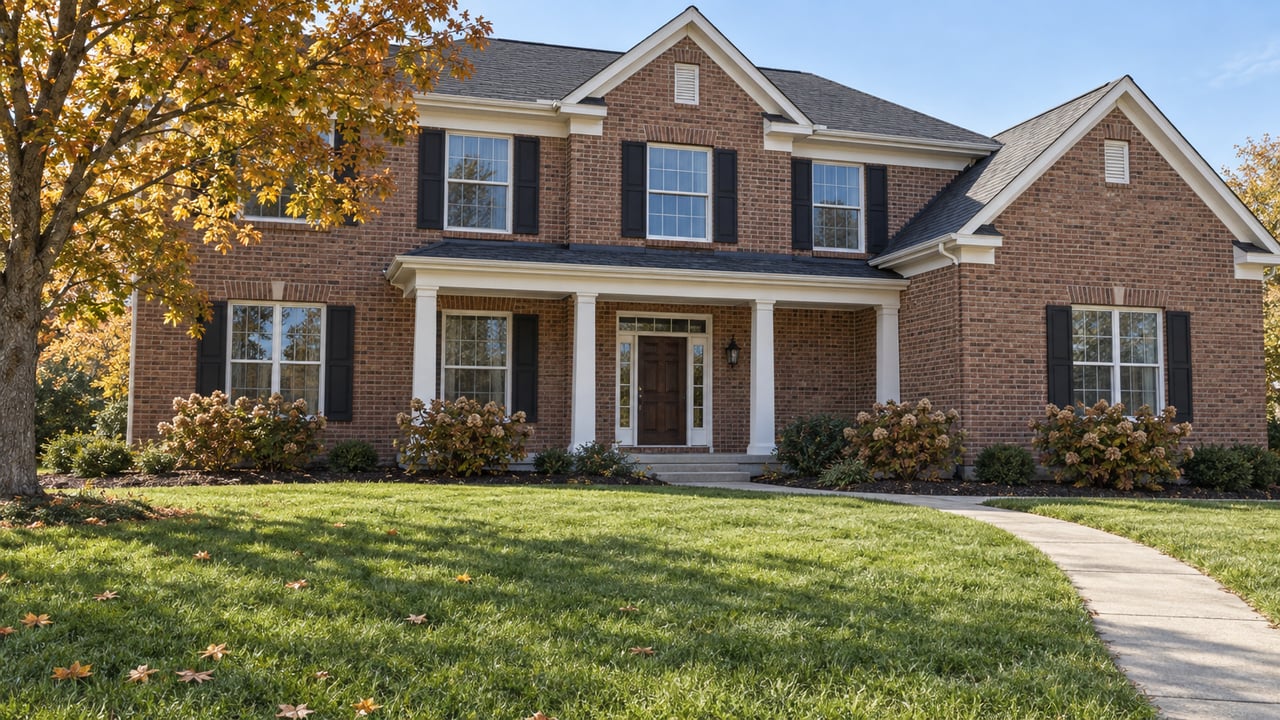
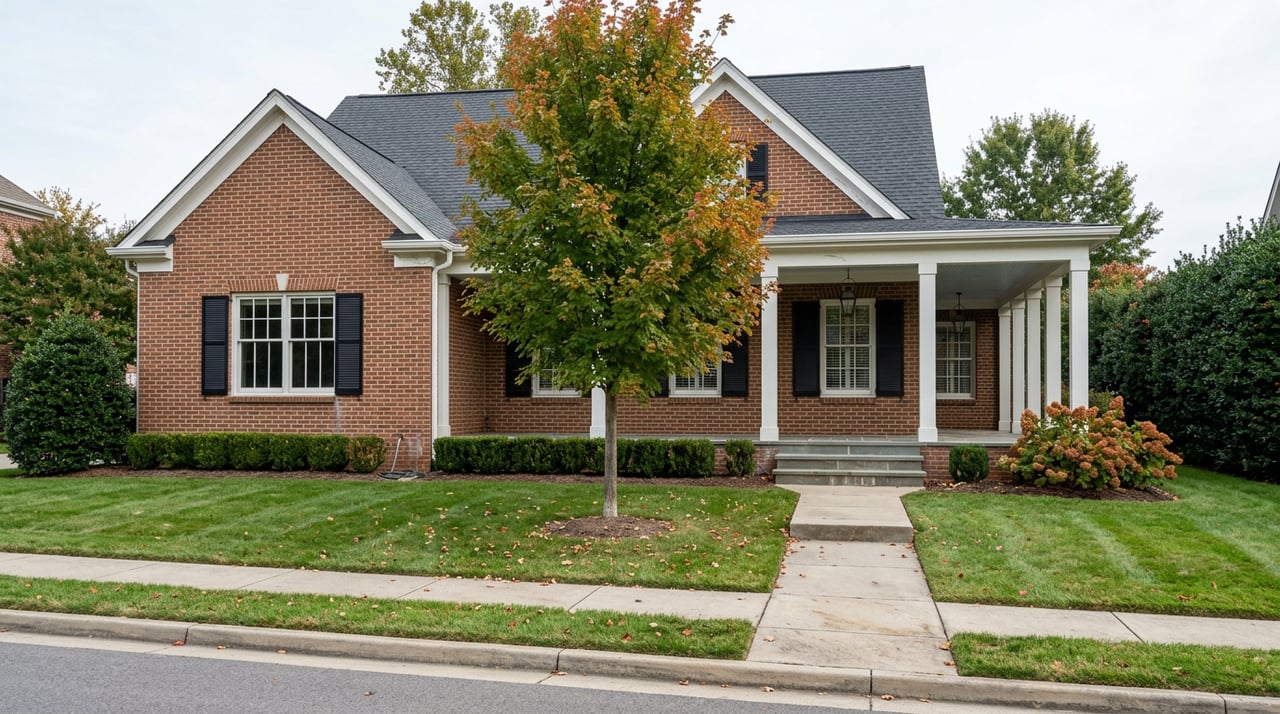
Master-planned neighborhoods like Westhaven and Berry Farms offer pools, trails, pocket parks, community events, and a variety of home styles. You will see traditional and craftsman-inspired architecture, patio homes, townhomes, and higher-end custom builds. Many buyers choose these areas for new construction conveniences, consistent streetscapes, and HOA-managed amenities. It is a good match if you want a community hub and everyday simplicity.
Older neighborhoods and rural pockets
Beyond the hub, you will find established neighborhoods with mature trees and mid-century homes. Rural hamlets, including places like Leiper’s Fork, provide country living a short drive from Franklin’s core. Options range from ranch-style houses to farmhouses and historic estates. If you want space, quiet roads, or a small-village feel, these areas deliver a different pace.
Who it fits
Suburban Franklin is ideal if you want larger homes, flexible parking, and easy access to regional shopping and services. Planned communities suit buyers who prefer amenities and coordinated design. Rural pockets work for those seeking privacy and a scenic backdrop.
Lifestyle: dining, shopping, and culture
Dining and food culture
You can eat well across Franklin. Downtown leans local and independent, with a strong farm-to-table influence and Southern flavors. In Cool Springs, you will find national brands alongside regional favorites. If you like coffee shops, craft breweries, and casual bistros, you will have plenty of choice.
Shopping and services
For boutique browsing, antiques, galleries, and specialty shops, downtown is a natural fit. Cool Springs offers regional-scale shopping, from big-box stores to fitness studios and medical offices. Grocery choices vary by neighborhood and include both full-service supermarkets and specialty markets.
Music and events
Franklin maintains close ties to Nashville’s music ecosystem, so local venues often host touring and regional acts. Signature events include Dickens of a Christmas and seasonal festivals that draw residents downtown. Weekend farmers markets, art walks, and community celebrations are common across the year.
Parks, greenways, and outdoor recreation
You will have quick access to outdoor space. Harlinsdale Farm Park offers open green space and community events. Greenways and trails along the Harpeth River support walking, running, and paddling. Neighborhoods across the city add playgrounds, sports fields, and pools, while nearby rural areas provide options for hiking and weekend exploration.
Practical tradeoffs to consider
Price position and value
Franklin tends to be pricier than many surrounding markets due to its schools, amenities, and proximity to Nashville. Price points vary widely by neighborhood, home age, lot size, and distance to downtown or Cool Springs. Consider how much you value location, walkability, design character, and access to amenities when setting your budget.
Renovation vs. new construction
If you buy in or near the historic district, you may need to plan for renovation and comply with preservation guidelines. That protects character but can influence timelines and costs. In newer subdivisions, you often gain modern floorplans and energy efficiencies, but you will pay HOA fees and may have less flexibility on exterior design.
HOAs and rules vs. historic review
Planned communities typically include HOA covenants and architectural review standards. These can help keep neighborhoods consistent and amenities maintained. In the historic district, design review often applies to exterior changes or demolitions. If you want to add on, update materials, or build an accessory structure, check the rules before you buy.
Schools and zoning basics
District overview
Public education in Franklin is served primarily by Williamson County Schools and, for parts of the city, the Franklin Special School District. Local public schools are generally well regarded relative to state averages. There are also private school options and early childhood programs in the area.
Verify zones for any address
School zoning can be complex and may change as new neighborhoods come online. Always verify the exact school assignments for any property you are considering. If a specific school zone matters to you, confirm it early in your search and again before making an offer.
Getting around: commute and mobility
Commute patterns
Driving is the dominant way to get around. I‑65 connects Franklin to Nashville, and local state routes link nearby suburbs. Many residents work in the Cool Springs corridor or commute north to downtown Nashville. Drive times depend on traffic, especially at peak hours.
Walkability and trails
Downtown is pedestrian-friendly for dining, shopping, and some offices. Sidewalks and greenways serve parts of the city, but many suburban streets are car-oriented. If you value everyday walkability, focus your search on downtown or planned communities with robust trail networks.
Public transit reality
Public transit options are limited compared with larger urban cores. Some commuters carpool or use employer shuttles where available. If transit access is essential to you, verify current routes and services before you commit to a location.
Healthcare and community services
Williamson Medical Center provides local hospital care, and specialty clinics operate throughout the area. For certain complex needs, residents often travel to larger hospital networks in Nashville. City and county services include parks maintenance, community events, and historic preservation oversight.
How to choose your Franklin fit
Use this quick framework to align lifestyle and location:
- If you want walkable charm and culture: Focus on downtown and adjacent historic streets. Expect smaller lots and potential renovation rules.
- If you want convenience and amenities: Consider Cool Springs and master-planned communities for easy retail access and HOA-maintained spaces.
- If you want space and a quieter pace: Explore older neighborhoods with mature trees or rural pockets nearby.
- If schools are a priority: Verify zoning for any address and factor commute routes into your decision.
- If you are balancing commute and lifestyle: Map your daily routes to Cool Springs or Nashville, then test drive them at peak hours.
When you are ready to narrow options, bring your goals and timeline to a local advisor who can translate them into properties and neighborhoods that fit.
Ready to explore Franklin with a trusted, high-touch team that understands both historic charm and new-construction details? Request a Confidential Consultation with Bruce Jones to plan a move that aligns with your lifestyle and long-term goals.
FAQs
What is daily life like in downtown Franklin?
- Expect walkable streets, local restaurants and shops, cultural venues, and smaller residential lots near the core.
How does suburban Franklin compare for amenities?
- Suburban areas offer larger homes, easy parking, regional shopping in Cool Springs, and planned communities with pools, trails, and events.
Are Franklin public schools considered strong?
- Local public schools are generally well regarded relative to state averages, but always verify school zones for any specific address.
What are typical commute patterns from Franklin to Nashville?
- Most residents drive, using I‑65 for Nashville commutes; drive times vary with traffic, and local jobs in Cool Springs shorten many trips.
Will I face restrictions if I renovate a historic home?
- In the historic district, exterior changes often require design review and must follow preservation guidelines; plan for added timelines.
Where can I find parks and outdoor options in Franklin?
- Popular spots include Harlinsdale Farm Park, Pinkerton Park, and greenways along the Harpeth River, plus neighborhood playgrounds and pools.
Is public transit widely available in Franklin?
- Transit options are limited; most residents rely on cars, with some carpooling or employer shuttles for specific commutes.