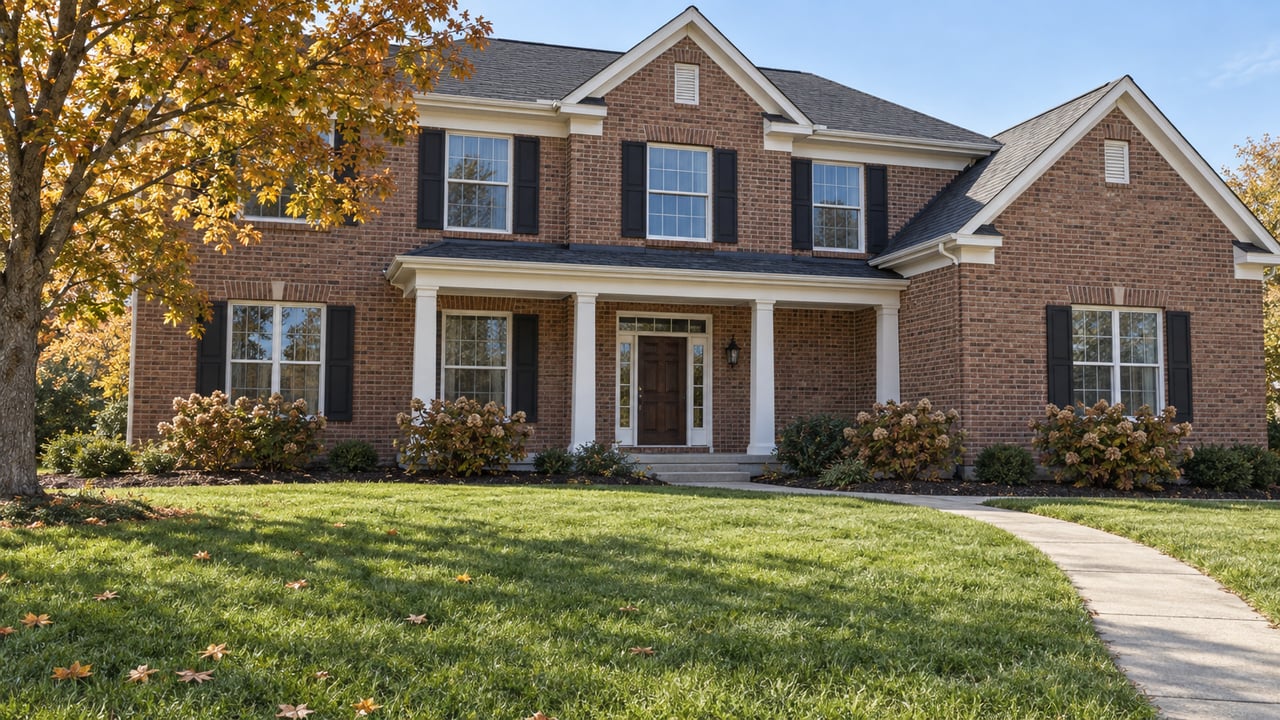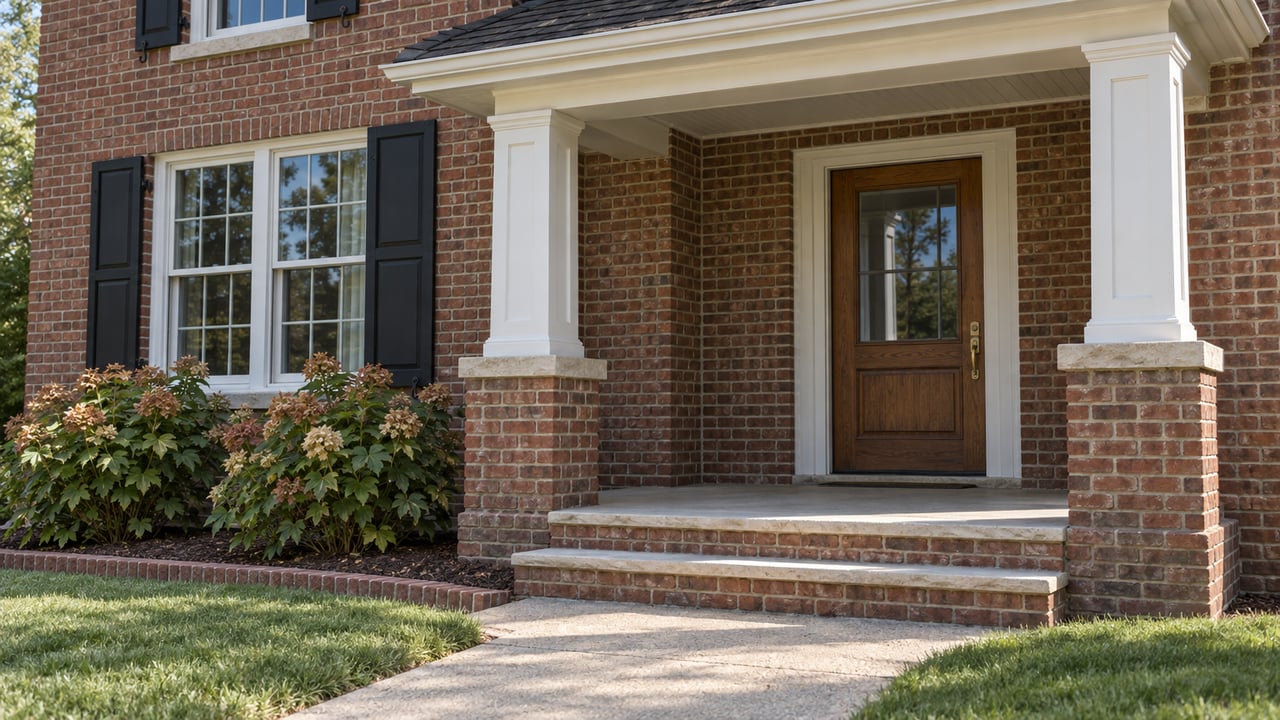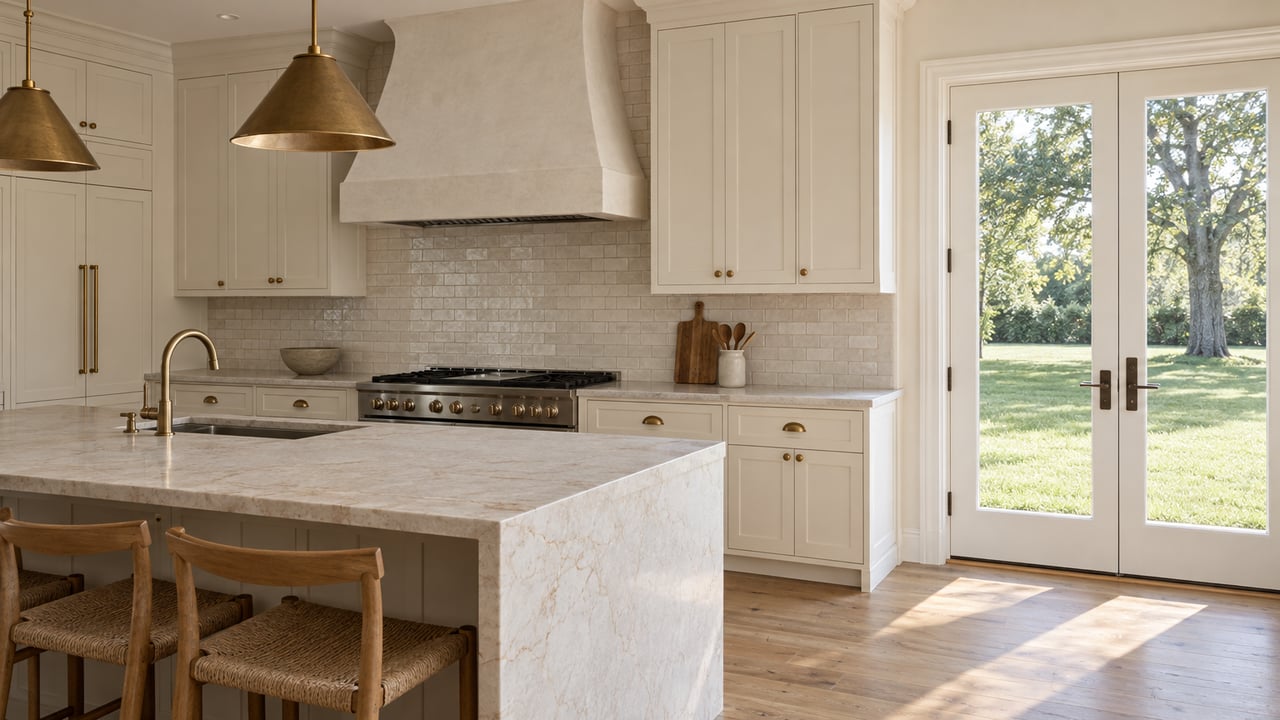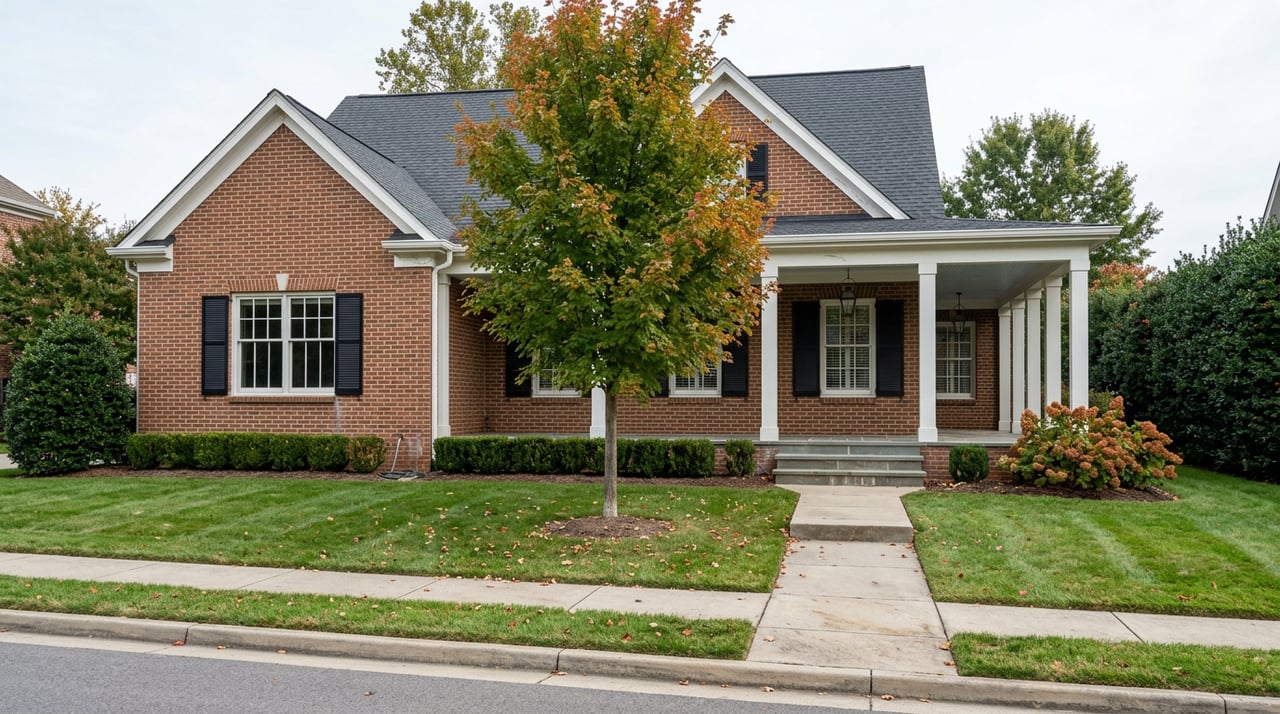
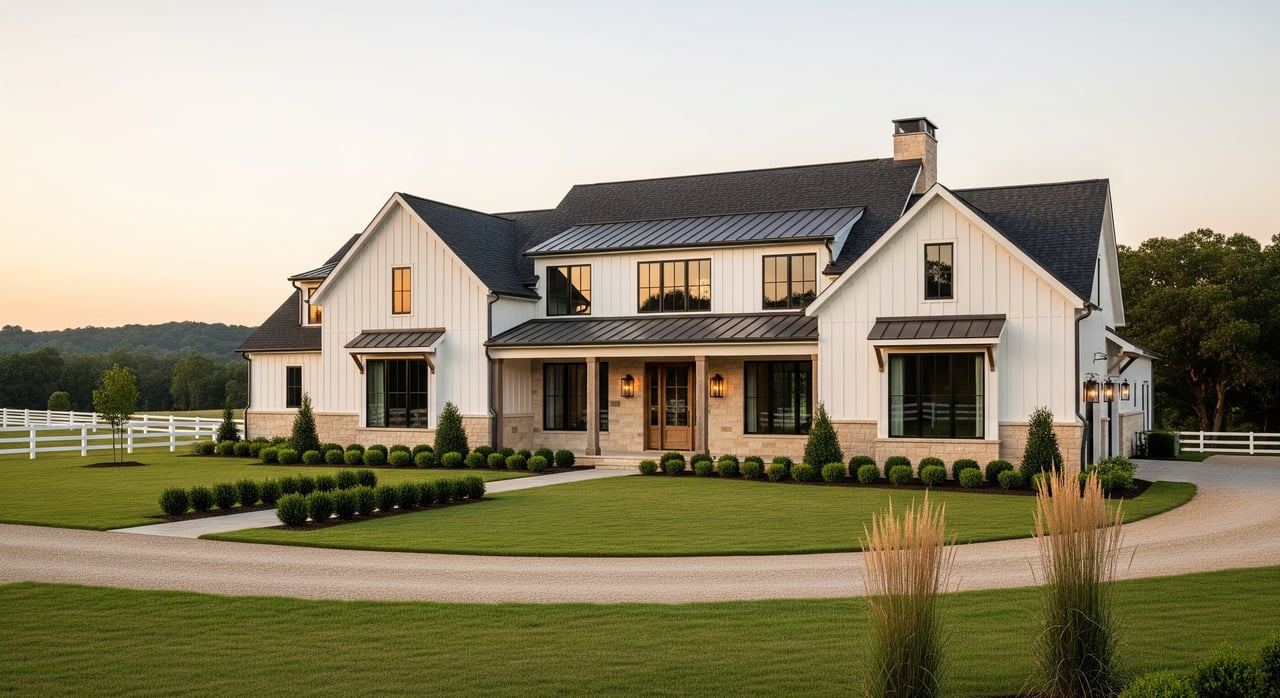
Craving more space, privacy, and modern design without giving up proximity to Franklin and Nashville? New construction in College Grove delivers that balance, with a mix of luxury estate lots, equestrian properties, and refined communities in a semi-rural setting. You might also be weighing septic versus sewer, longer timelines, and how to secure the right lot. In this guide, you’ll learn the exact steps, timelines, inspections, contract terms, and local checks that matter most in College Grove. Let’s dive in.
College Grove new-build basics
College Grove sits in unincorporated Williamson County, where lot types and utilities vary by parcel. Some homesites tie into public water and sewer while others rely on well and septic. That mix affects everything from permitting and site work to your total cost and timeframe.
Before you commit to a lot or a builder, verify zoning, setbacks, and required site controls with Williamson County Planning & Codes. Confirm water and sewer availability with the relevant county utility department or district. If your preferred lot requires septic, you will need soils testing and a septic design to determine feasibility and placement.
Timeline and key phases
Your build timeline depends on whether you buy an inventory home or do a presale or custom build, plus the lot’s conditions. Here are typical ranges in Williamson County:
- Inventory or spec homes: about 4 to 9 months from permit to closing, shorter if already under construction.
- Presale or semicustom: usually 9 to 12 months.
- Custom and luxury builds: often 9 to 18 months, with site work and design complexity adding time.
Most projects move through predictable phases. NAHB guidance on construction phases aligns with these typical steps:
- Contract to start: 2 to 12 weeks for lot hold, permits, HOA approvals, and utility coordination.
- Site work and foundation: 2 to 6 weeks for clearing, grading, footings, and foundation. Septic installation or sewer tie-in may occur here.
- Framing: 3 to 8 weeks, weather dependent.
- Rough-ins: 2 to 6 weeks for electrical, plumbing, HVAC, and inspections.
- Insulation and drywall: 2 to 6 weeks.
- Interior finishes: 4 to 10+ weeks for cabinets, counters, flooring, trim, and final fixtures.
- Punch list, inspections, CO: 2 to 6 weeks for final municipal inspections, builder punch list, and closing.
Expect builders to include contract clauses that allow extensions for weather, supply chain delays, or change orders. Request clear milestones and a realistic completion range upfront.
Lot and utilities: verify early
Your lot drives feasibility, cost, and livability. Lock in these checks before you sign a contract:
- Zoning and setbacks: Confirm permitted uses, especially if you plan outbuildings, barns, guest houses, or a pool.
- Utilities: Verify public water and sewer availability and connection fees. If not available, plan for well and septic, plus backup power if desired.
- Septic and soils: Require a perc test or soils report, and a septic design contingency if septic is needed.
- Floodplain and drainage: Confirm flood zone and drainage patterns. Design for slope, retaining, and stormwater controls where needed.
- Driveway and access: Rural parcels may require driveway permits and specific entry locations.
- Erosion control and tree clearing: Plan for county rules that can affect site work and costs.
- HOA covenants: Review design restrictions and rules that impact structures, exterior finishes, fencing, and land use.
- Schools and taxes: Verify school zoning and understand how new construction can affect tax assessments.
When in doubt, confirm specifics with county departments through Williamson County Planning & Codes and the utility district serving your parcel.
Selections, allowances, and change orders
If you are buying presale or semicustom, you will make selections through the builder’s design center on a schedule. Early choices focus on structure and site placement. Mid-phase choices include cabinets, counters, tile, and flooring. Later selections cover lighting, appliances, and hardware, noting some items have long lead times.
- Allowances vs. fixed pricing: Clarify whether your budget for finishes is an allowance or a fixed-price upgrade. Allowances can create a balance due at closing if you exceed them.
- Change orders: Get written cost and schedule impacts before authorizing any change. Certain upgrades add weeks and may require additional deposits.
- Lead-time risks: Specialty windows, custom cabinetry, stone countertops, and high-end appliances can add months if not ordered early.
Buyer tip: Prioritize structural and layout decisions first. You can personalize finishes later, but plan for cost and timing impacts.
Inspections and warranties
Williamson County requires sequential municipal inspections at footing, framing, rough-ins, insulation, and final stages for the Certificate of Occupancy. Ask your builder to confirm each checkpoint and share approvals.
Independent third-party inspections are strongly recommended at two points:
- Pre-drywall: Verify framing quality, mechanical rough-ins, and fire blocking while repairs are easiest.
- Pre-closing: Capture final punch list items for warranty follow-up.
Most builders provide a written 1-2-10 warranty structure: 1 year on workmanship and materials, 2 years on systems like electrical, plumbing, and HVAC, and 10 years on major structural components through a third-party provider. Request the full warranty document and understand how to file claims, response times, and whether the warranty transfers if you resell. Keep all plans, change orders, receipts, and inspection reports organized for future warranty and disclosure needs.
Contracts, financing, and protections
Builder contracts vary, so read carefully and negotiate for clarity where it counts:
- Completion date: Seek a reasonable completion range plus a defined remedy if delays exceed that window. Remedies can include liquidated damages, termination rights, or escrowed retention.
- Deposit terms: Understand which deposits are refundable. Many design deposits are not.
- Change orders: Require written estimates and explicit schedule adjustments before signing.
- Specs and allowances: Attach a detailed specification exhibit with brands, models, and allowance levels to avoid surprises.
- Arbitration clauses: Know your dispute resolution path and any limitations on legal remedies.
- Lot disclosures: Review easements, flood status, restrictive covenants, and HOA fees.
For financing, inventory homes usually close with a standard mortgage once a Certificate of Occupancy is issued. For presales or custom builds, many buyers use a construction-to-permanent loan. Review the HUD overview of construction-to-permanent loans to understand draws, interest-only periods, and conversion. Builders may offer lender incentives for closing costs or upgrades, but compare full loan terms and appraisal flexibility. Appraisals for presales rely on comparable sales, so be prepared to address appraisal gaps if the market shifts mid-build.
Negotiation windows and strategies include early presales, end-of-quarter or year deadlines, and periods when builder inventory rises. Negotiate on price, closing costs, upgrades, lot premiums, or added site work, then memorialize all agreements in writing. Off-market opportunities can surface through VIP lists, lot releases, cancellations, or incomplete builds. Being preapproved and ready to move quickly matters.
Compare builders with a clear checklist
Use a consistent framework to evaluate builders side by side:
- Reputation and stability: Ask for local references and recently completed Williamson County projects.
- Construction quality: Understand QA processes and subcontractor consistency.
- Specifications and transparency: Request a written spec sheet with brands, insulation R-values, HVAC SEER ratings, windows, roofing materials, and warranties.
- Warranty and service: Review written warranty language and service response times.
- Energy and performance: Ask about HERS targets, mechanical design, and any certifications.
- Contract clarity and allowances: Compare deposit structures, completion remedies, and realistic allowance levels.
- Licensing: Confirm state contractor licensing through the Tennessee Department of Commerce & Insurance.
Tour completed homes, speak with recent buyers about punch list follow-through, and compare how each builder communicates during selections and construction.
Energy and performance picks
Efficiency and performance matter for comfort and long-term operating costs. Ask about HVAC sizing and SEER ratings, insulation levels, window specs, and smart-home infrastructure. If efficiency is a priority, review ENERGY STAR guidance and inquire whether the builder targets comparable performance benchmarks. For luxury builds, plan ahead for automation, sound control, whole-home networking, and mechanical room layout.
Your step-by-step path to a smooth build
- Define goals and budget: Clarify lot size, privacy, timeline, and must-have features.
- Get preapproved: Determine whether a standard mortgage or construction-to-permanent loan fits your plan.
- Shortlist communities and lots: Evaluate utilities, slope, trees, and access alongside lifestyle needs.
- Verify due diligence: Confirm zoning, utilities, soils, flood status, and HOA rules with county and utility contacts.
- Select a builder: Compare specs, warranty, references, allowance levels, and contract terms.
- Lock the contract: Negotiate completion remedies, deposits, allowances, and a clear change-order process.
- Plan selections: Book design center sessions early, order lead-time items, and track allowances.
- Schedule inspections: Arrange third-party inspections at pre-drywall and pre-closing.
- Document everything: Keep contracts, change orders, approvals, inspection reports, and warranty documents organized.
Ready to explore College Grove new construction?
If you want acreage or a refined estate near Franklin with the control that new construction offers, you need a partner who knows the local land, utility nuances, and builder landscape. Our team pairs on-the-ground development experience with builder relationships to secure presales, navigate selections, and protect your timeline and budget. Request a Confidential Consultation with Bruce Jones to discuss lots, off-market opportunities, and a plan tailored to your goals.
FAQs
How long does new construction in College Grove usually take?
- Presale and semicustom builds often take 9 to 12 months, while luxury and custom homes commonly range from 9 to 18 months depending on site work and complexity.
What inspections should I order for a new home in Williamson County?
- Hire an independent inspector for a pre-drywall inspection and a pre-closing inspection, and confirm that the builder completes required county inspections for a Certificate of Occupancy.
How do septic systems affect a College Grove build?
- If sewer is not available, you will need soils testing and a septic design, which can influence your build timeline, costs, and site layout for the home, pool, and outbuildings.
What financing works for presales or custom builds?
- Many buyers use a construction-to-permanent loan with draws during building and conversion at completion; review the HUD overview of construction-to-permanent loans and compare any builder-lender incentives.
When can I negotiate upgrades or concessions with a builder?
- Strong windows include early presale, end-of-quarter or year, and times when inventory is high; negotiate price, closing costs, or upgrades in writing and attach them to the contract.